
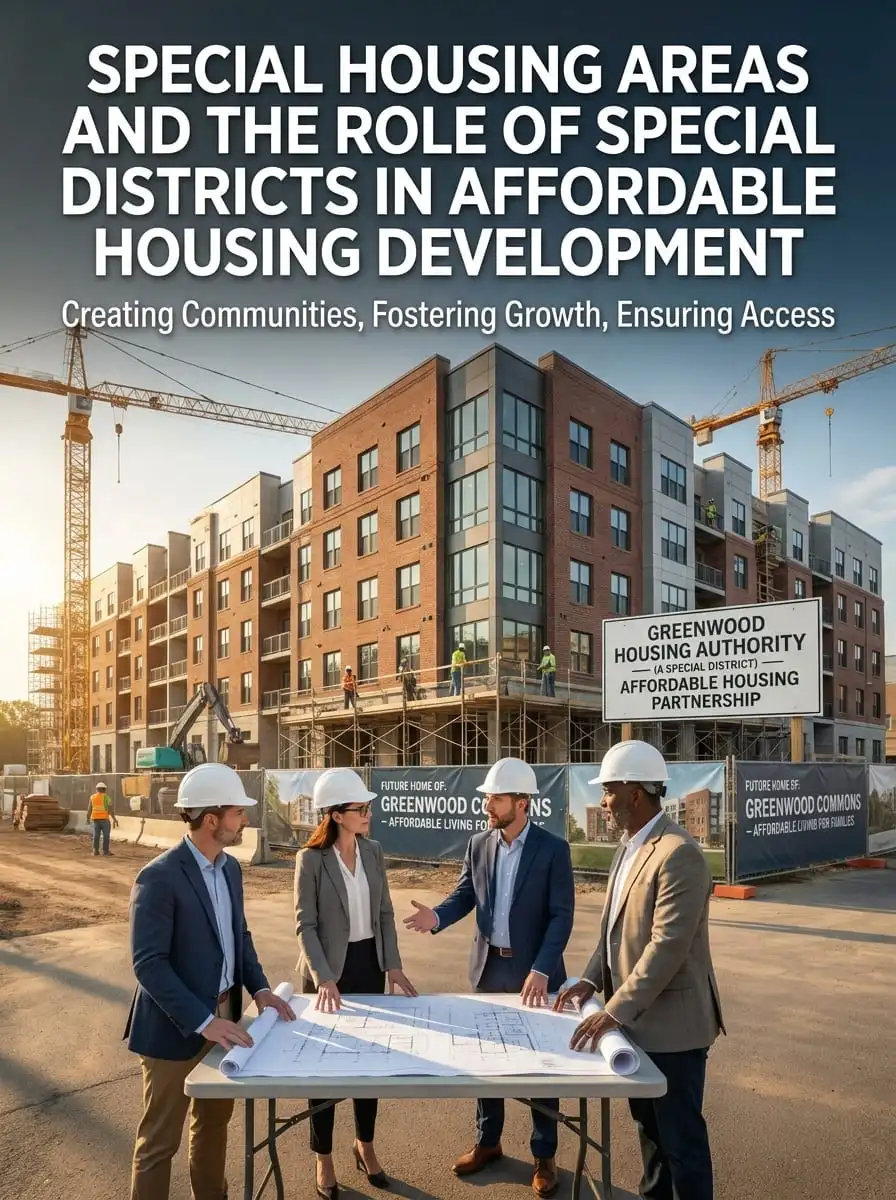
Most people never think about special districts. But across the country, these local governments are the quiet behind-the-scenes enablers of every housing development that moves forward. They provide the foundational services and essential systems that every special housing areas depends on. Without them, not a single subdivision, apartment complex, or affordable housing unit could break ground.
These districts deliver core services like water systems, sewer systems, flood control, fire protection, transportation, and parks and recreation. They are the primary providers in rural areas and unincorporated areas where no one else steps in. In rapidly growing communities, this housing infrastructure is what keeps new homes permitted, livable, and truly sustainable. I have seen how easily development stalls, when these services are missing the urgent need for safe housing and resilient housing cannot be met without them.
Yet special districts remain overlooked in most housing policy debates. Their critical role in shaping affordable housing, sustainable development, and livable housing units rarely gets the attention it deserves. As of 9.1.25, the conversation around housing policy is shifting. Communities are starting to recognize that building a real special housing areas means investing in the infrastructure and services that make development work from the ground up.
How Special Districts Are Evolving as Housing Partners
Special districts are no longer just service providers. We are becoming true collaborative partners in the housing conversation. They work directly with local planning agencies to support smart growth. They are also modernizing service delivery to keep up with density shifts and demographic changes. From my experience tracking community development efforts, this shift in approach makes a real difference in how a special housing areas actually gets built and sustained.
Many special districts are now using innovative financing tools to move housing projects forward. Tools like special assessments, community facilities districts (CFDs), and public-private partnerships help fund critical infrastructure that housing alone cannot carry. These financing tools fill the gap between what public budgets can cover and what private investment alone will not touch. The ability to coordinating resources across agencies and partners is what allows housing needs to be met in a way that is both practical and lasting.
Adapting to growth is not optional anymore. As density increases and demographic changes reshape community needs, special districts that lean into planning and infrastructure funding become essential anchors of any serious housing strategy. The housing infrastructure they support through community facilities districts and development partnerships is what turns a plan into a real, livable special housing areas.
Real Examples of Special Districts Leading on Affordable Housing
Colorado and Texas both show what is possible when special districts step up as community leaders in affordable housing. One of the most impactful examples comes from Southwest Colorado. The Mancos Conservation District formed a housing partnership with the Town of Mancos. Together, they were awarded the Innovative Housing Opportunity Initiative through the State’s Division of Local Government. This state initiative gave them the funding and opportunity to construct a small but meaningful duplex delivering 2 affordable units on District-owned land. It is a quiet but powerful example of smart land use and local government doing real work. What makes this housing project stand out is how it turned district land into a genuine community housing solution.
The affordable unit model used here is exactly the kind of innovative housing approach that more special housing area planning needs to follow. A conservation district is not the first place most people look for affordable housing development but that is exactly what makes this housing initiative so worth paying attention to. From what I have seen, housing opportunity often comes from unexpected partnership structures, and this construct proves that housing units can grow from the ground up when communities commit to working together.
How Texas Uses Special Districts to Build Where Others Won’t
In Texas, one of the most powerful housing tool options in the housing development toolbox is the Municipal Utility District, or MUD. It is a state-created mechanism designed to deploy infrastructure funding and fund critical infrastructure for large-scale development across challenging regions. A close cousin of the MUD structure is the Municipal Management District, or MMD, which offers expanded flexibility for more complex master-planned developments. From what I have studied about district-based development tool strategies, the MMD structure gives planners room to work that a standard utility district simply cannot provide.
That flexibility proved essential for Viridian, a master-planned community in Arlington built on genuinely challenging land. The project sat within the Trinity River floodplain and was adjacent to a landfill two factors that created both financial hurdles and logistical hurdles that made standard land development approaches unworkable. The MMD became the right mechanism to deploy the housing infrastructure needed to move this special housing areas forward despite the steep obstacles. It is a clear example of how a well chosen management districtstructure can turn a difficult housing project into a thriving community development success through smart infrastructure funding and determined project planning.
Staying Ahead of Zoning and Master Plan Shifts
Across the country, special districts have to stay hyper aware of both state changes and local changes that affect zoning, master plans, and land use. The pressure is real. Governments are pushing more rooftops into the ground to deal with the growing unaffordability of housing. Every round of zoning changes or masterplan changes can reshape what is possible for a special housing area. From what I have seen in community planning work, districts that lack awareness of these planning changes often find themselves scrambling to catch up on housing development timelines.
Colorado offers a strong example of how a local government and its special districts are actively responding to the housing crisis. Rather than waiting, they are taking initiative on affordable housing and housing policy by staying engaged with urban planning shifts as they happen. Housing affordability does not improve on its own it takes districts that understand development, adapt to planning changes, and actively shape community development around real housing units needs. The housing challenges pushing this country forward demand that special districts treat awareness not as optional, but as a core part of every housing development and land use decision they make.
Special Housing Areas Conclusion:
Special districts are far more than back-office service providers. They are active, essential partners in building the special housing area solutions that communities across the country desperately need. From laying down water systems and sewer systems to navigating zoning changes, securing funding, and forming public-private partnerships, these local governments quietly hold the housing ecosystem together. Whether it is a small duplex on District-owned land in Colorado or a master-planned community rising out of a floodplain in Texas, the evidence is clear when special districts lead with purpose and awareness, real affordable housing gets built. The path forward on housing affordability runs directly through the districts willing to step up, adapt, and serve.
FAQs
Special districts provide essential infrastructure such as water, sewer, flood control, fire protection, transportation, and recreation services. These systems make new housing developments practical, safe, and ready for long-term community use.
A Municipal Utility District (MUD) mainly helps finance and manage infrastructure needed for development, while a Municipal Management District (MMD) can offer broader flexibility for complex master-planned projects. The right structure depends on the infrastructure, land conditions, and development needs of the community.
Special districts can contribute land, coordinate with local governments, and use financing tools such as special assessments, community facilities districts, and public-private partnerships. These approaches can help cover infrastructure costs that would otherwise make affordable housing projects difficult to build.

1 thought on “Special Housing Areas and the Role of Special Districts in Affordable Housing Development”