
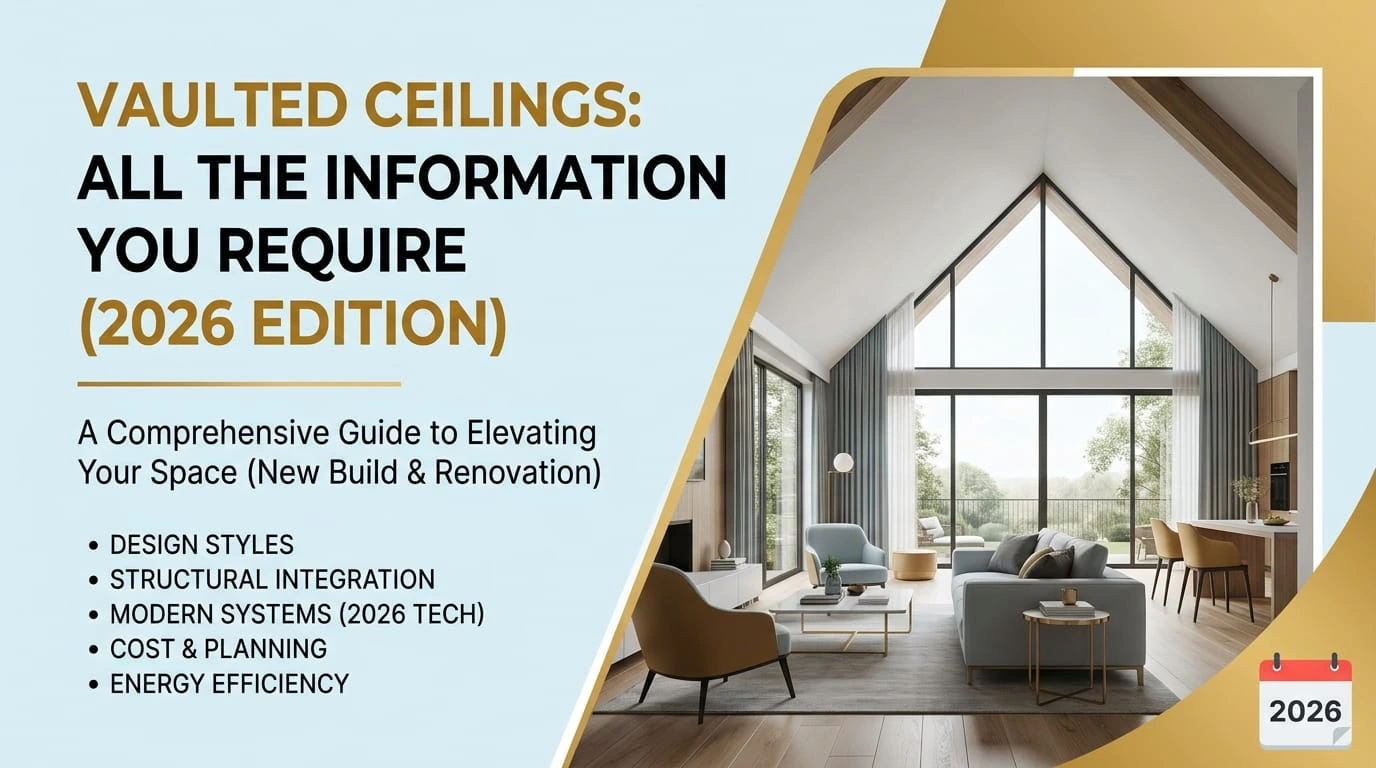
There is only one thing that vaulted ceilings can do and that is create an atmosphere of spaciousness that no other ceiling can. Admired by some interior decorators for their majestic appearance and airy nature, but criticized by others for their high cost of energy usage and maintenance, vaulted ceilings have been a favorite topic among interior decorators for quite some time now.
If you are considering adding one to your house but are confused about it, then this information, provided by experts in interior decoration, should help you decide.
The Ceiling Style That Has Interior Designers Split
Vaulted ceilings are a style that immediately sets a new tone for the room. They are an opulent choice in home features that give the space an airy feeling along with a sense of grandeur from the second you enter the room. This is an aspect of architectural design that carries much weight visually compared to other ceiling types. In my observations of different ceiling designs in different houses, I can say that none create the feeling of luxury like a beautifully designed vaulted ceiling does.
et the design debate around vaulted ceilings is very real. Interior designers are genuinely split. While many people admire the aesthetic appeal and scale of these structures, critics have raised valid points regarding their inefficiency and out-of-date nature, especially considering higher energy expenses and the difficulty of warming up the place during cold weather. The issue of heating is significant due to the tendency for warm air to rise, affecting the costs involved and the efficiency of energy usage. This is important to consider when deciding on any renovations for your house.
However, what is astonishing about this structure is the longevity that it has enjoyed. Despite the criticisms, they remain relevant in modern architecture and continue to appear as sought-after home features and design features across competitive housing markets. The fact that this ceiling design style has survived centuries of changing home design trends says something meaningful these architecturally interesting ceiling types are not going anywhere, no matter how loud the design debate gets.
What Are Vaulted Ceilings?
A vaulted ceiling is defined in architectural terms as a self-supporting arch built above the walls and beneath a roof. It pushes upward from the walls to center, opening up a generous volume of space overhead. It is the opposite of a flat ceiling it uses the roof structure and what would otherwise be unused space to make a room feel dramatically bigger. Jade Joyner, cofounder and principal designer of Metal + Petal in Athens Georgia, puts it well these ceiling styles turn dead space into a defining interior design feature.
There are several vault styles to know. The barrel vault is the most straightforward a continuous arched ceiling that runs the length of a room. A groin vault is created by combining two barrel vaults at right angles. The rib vault incorporates architectural lines into the design of the ceiling, whereas the fan vault expands on this idea. These vault designs have been incorporated into architectural structures all through history, ranging from the Neolithic village of Crete, which was created some seven thousand years ago, to the European Gothic cathedrals, to the famous arched ceiling of the Roman Pantheon.
In the modern era, all four exist in residential homes. Every vaulted ceiling is not necessarily an arched ceiling. The ceiling may mimic the roof by adopting a triangular shape, whereby there will be two slopes rising up to meet at the top, forming a ridge. Such a ceiling is referred to as a cathedral ceiling. According to Maggie Cruz of Maggie Cruz Design + Home based in Miami, the use of cathedral or vaulted ceilings has increasingly come to mean one and the same thing. However, regardless of whether curved or sloped, both types have the same basic idea, which is to make the ceiling rise.
Where You Should Place a Vaulted Ceiling in Your House
A vaulted ceiling can work in almost any space your home structure structurally allows. The best place to use one would be your great room or living dining room of an open concept home. The added height will serve such a space well. But bedrooms and bathrooms can carry them just as well when the ceiling design is handled thoughtfully. From my experience visiting homes across different design styles, the room types that feel most transformed are the ones where the vaulted ceiling becomes the central architectural features rather than just a background detail.
Maggie Griffin, who runs her eponymous firm in Atlanta and Gainesville Florida, makes an important point about ceiling styles and flexibility. The softness of an arched ceiling adds just the right touch for a modern structure. It keeps the home interior feeling warm rather than cold or clinical. This look will transition seamlessly among the modern, rustic, and industrial decor styles. It is this flexibility in terms of versatility that makes the vaulted ceiling one of the most versatile styles of ceilings around.
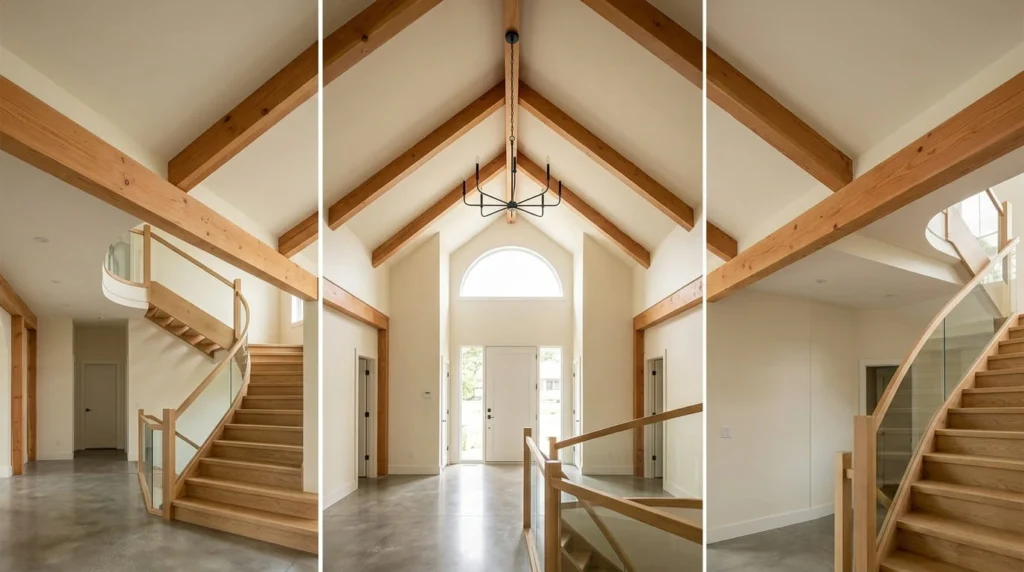
The trick is how you use various design elements to create the look you want for your home. The addition of reclaimed beams offers rustic appeal and warmth to your interior. Industrial metal cable beams and cable detailing offer edginess that complements your contemporary home design. This creates a comprehensive look that brings your arched ceiling together. Whether you have chosen to go with the modern style, rustic design, or complete industrial look, the right beams and cables can make your entire look come alive.
Advantages of Vaulted Ceilings
Vaulted ceilings offer more than increased height; they provide light, spaciousness, and aesthetic appeal that few architectural elements can equal.
They Instill Grandeur and Space
A vaulted ceiling instantly transforms the atmosphere of a room. It provides an element of grandeur and spaciousness that can never be felt by any other type of ceiling. As soon as one opens up the ceiling area, there is a definite change in the atmosphere of the room. That feeling of airiness is not just visual it is physical.
From my experience walking into rooms with generous overhead space, the shift in energy is instant. It is one of those architectural features that works quietly but powerfully in any room design.
They Bring in More Natural Light
Extra height means extra space for tall windows and skylights. Both pull in far more natural light than standard windows ever could. The result is a bright, airy room with genuine room brightness that feels open all day. Light behaves differently in a space with open space above it scatters further and softens the entire interior design.
I have seen rooms completely transformed just by the addition of skylights under a vaulted ceiling. The brightness alone justifies the ceiling design choice.
They Turn Wasted Space Into a Design Advantage
Many homes have attic space sitting completely unused above standard ceilings. A vaulted ceiling reclaims that dead space and turns wasted space into something meaningful. It is smart practical design thinking using what is already there rather than ignoring it. Beyond function, the vaulted ceiling is a true dramatic design feature.
It draws the eye overhead and anchors the whole room design. It also offers real customization the ceiling types and design styles range from rustic-style spaces to midcentury-modern interiors, making it popular across very different home aesthetic preferences. Whether customized with beams or left clean, the ceiling design always makes a statement that fits your aesthetic perfectly.
Cons of Vaulted Ceilings
Vaulted ceilings come with real trade-offs and knowing them upfront can save you from costly surprises down the road.
They Drive Up Your Energy Bills
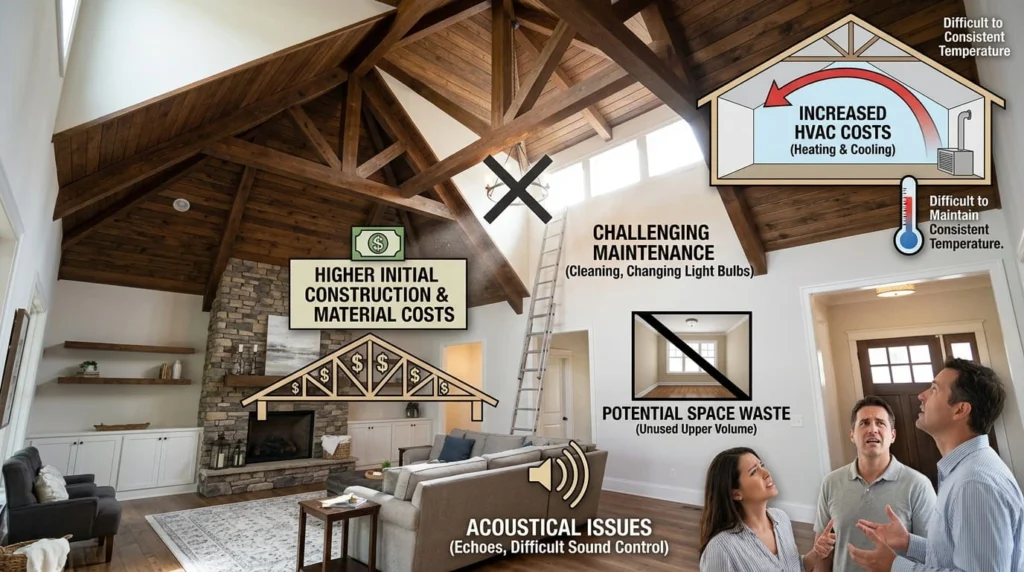
Higher ceilings mean more air to heat and cool. That directly translates to higher energy bills. Ashley Moore, founder and principal designer at Moore House Interiors in Tomball Texas, puts it plainly homeowners should factor in the real cost of energy waste before committing to a vaulted ceiling. The larger the vaulted space, the harder your system works.
From what I have seen advising on ceiling installation decisions, energy efficiency is the number one concern homeowners wish they had thought through earlier. A vaulted ceiling is beautiful but it does come with an ongoing energy bills reality that normal ceilings simply do not.
They Are Harder to Maintain
Ceiling maintenance on a vaulted ceiling is genuinely more demanding than on normal ceilings. Need to change a lightbulb in your recessed lighting? You will need a ladder and not just any ladder. An extra-tall ladder becomes a household necessity. Want to dust an exposed beam? Same problem.
The physical effort involved in routine ceiling maintenance adds up over time. I have seen homeowners underestimate this completely until the first time they need to reach their recessed lighting and realize their standard ladder falls well short.
They Are Difficult and Costly to Retrofit
Adding a vaulted ceiling to an existing building structure is one of the more serious architectural challenges you can take on. From an engineering standpoint, the roof structure must be able to support a vault. Special trusses that are purpose-engineered for vaulted space requirements are required and those come with real installation cost.
As can be seen from the structural considerations and the retrofit difficulties, if the present design of the roof structure is incompatible with what is required, you will have to pay a lot in terms of installing proper trusses or give up on the idea of having a vaulted ceiling altogether. It is much simpler to consider incorporating a vaulted ceiling when designing a new building rather than retrofitting one.
Conclusion
The vaulted ceiling is among those exceptional design elements whose significance and value has remained intact across different eras, from a village in Neolithic-era Crete through the European Gothic cathedrals to today’s modern homes. The elegance, spaciousness, and natural lighting provided by such ceilings cannot be duplicated by most other design options. But there are always pros and cons involved. High energy costs, rigorous ceiling maintenance requirements, and significant retrofitting are some of the disadvantages you should seriously contemplate when planning to install such a ceiling.
No matter whether you have a preference for rustic style interiors featuring antique wooden beams, modern arched ceilings, or even cathedral ceilings, the main consideration is that the ceiling design selected should complement the overall structure, living conditions and budget of the owner of the home. If properly planned and installed ideally during a new construction or remodeling process a vaulted ceiling can make an extraordinary feature of any room where it is installed.
FAQs
Vaulted ceilings are raised ceiling structures that extend upward from the walls to create more overhead space and volume. They are popular because they make rooms feel larger, brighter, and more dramatic compared with traditional flat ceilings.
Vaulted ceilings work especially well in large areas such as great rooms, living rooms, dining spaces, and open-concept homes where extra height can enhance the overall design. They can also be used in bedrooms and bathrooms when the structure and layout support the design.
Vaulted ceilings create a stronger sense of space, allow more natural light through tall windows and skylights, and transform unused attic areas into valuable design features. They also add architectural character that can suit styles ranging from rustic to modern interiors.

6 thoughts on “Vaulted Ceilings: All the Information You Require Before Building or Renovating in 2026”