
It is an experience that every homeowner can relate to: you wake up on a Saturday morning with a cup of steaming hot coffee in your hands only to be faced with a small water drip from underneath the kitchen sink or a flickering bulb that you have chosen to ignore. In a single moment, your weekend relaxation time becomes your to-do list; here comes the time to make use of drhomey handy tips in order to be ready to face the challenges of owning your home.
And don’t get carried away just yet: we don’t want you to create your own home version of the Architectural Digest.
The 60-30-10 Color Scheme Rule
Most people visit paint stores, select something appealing from samples, and get a room that comes off as either chaotic or too dull. This problem can be solved easily with the 60-30-10 color scheme rule. It is an effortless design method that makes selecting a color scheme very easy and straightforward.
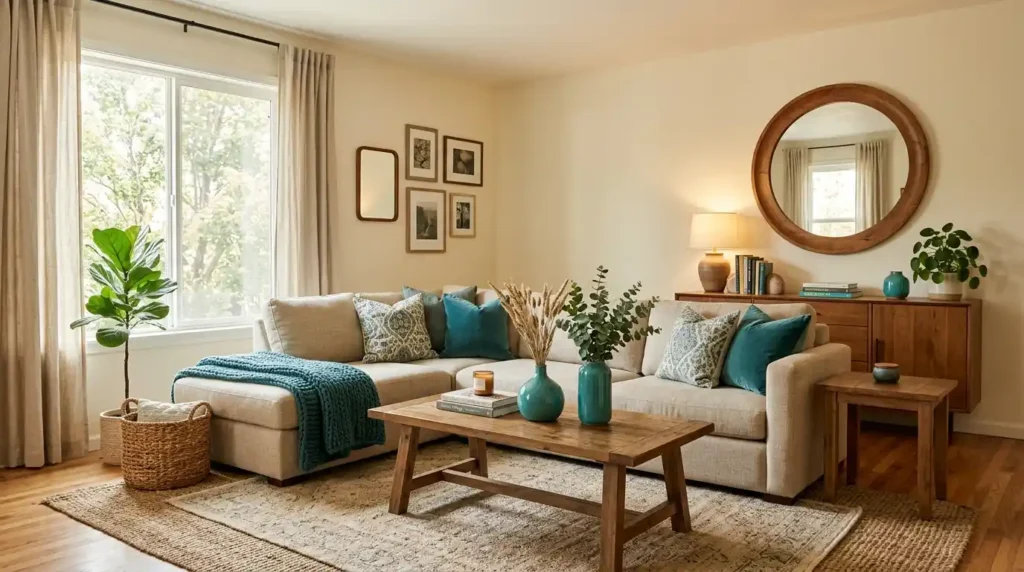
This color scheme requires the dominant color, which makes up sixty percent of the whole room and is represented by walls, carpets, major sofas in neutral colors. Thirty percent is devoted to a secondary color which can be found through various secondary elements such as secondary furniture or curtains. Lastly, the ten percent should be filled with an accent color such as teal cushions, paintings, or decorations.
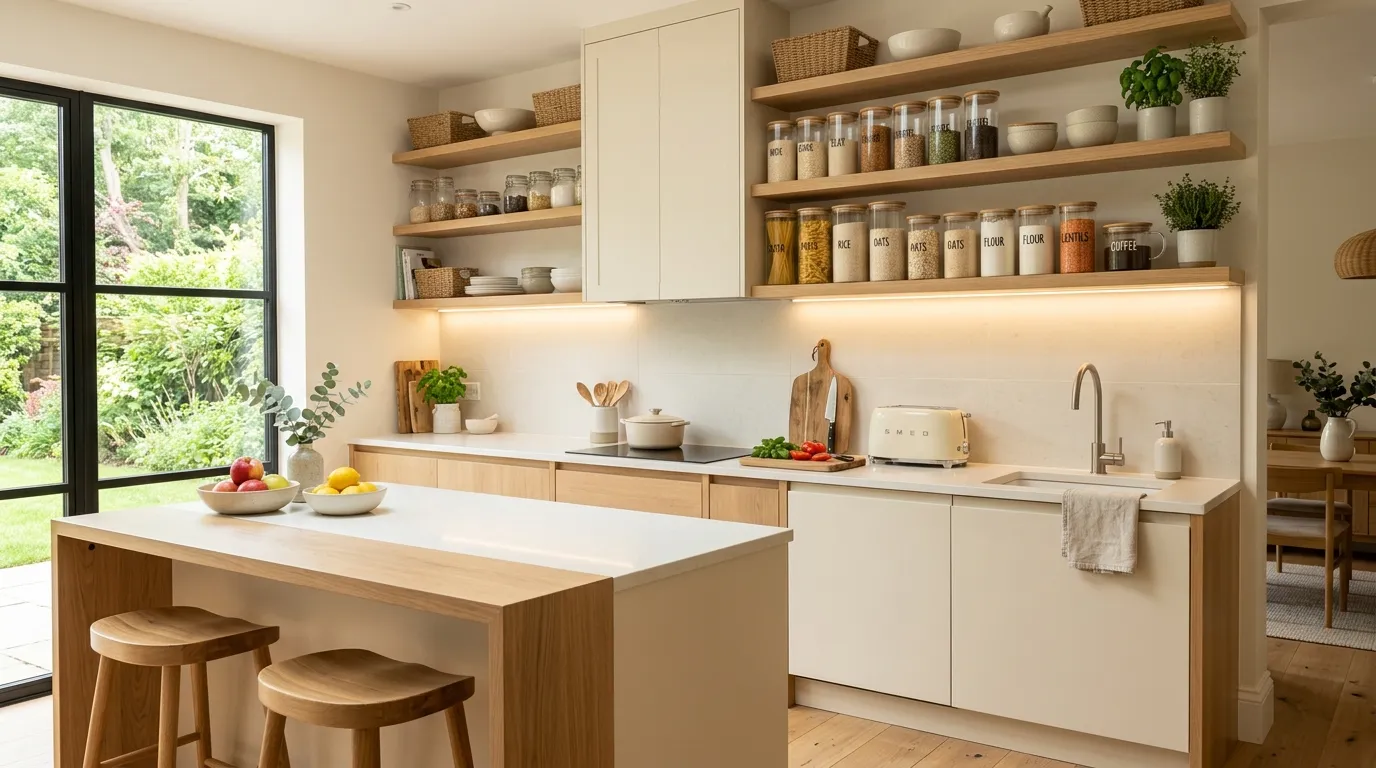
My kitchen, painted in soft cream walls and equipped with wooden cabinets and teal accent pieces, was made complete when I put this color scheme rule into practice.
Setting Up Drop Zones That Work
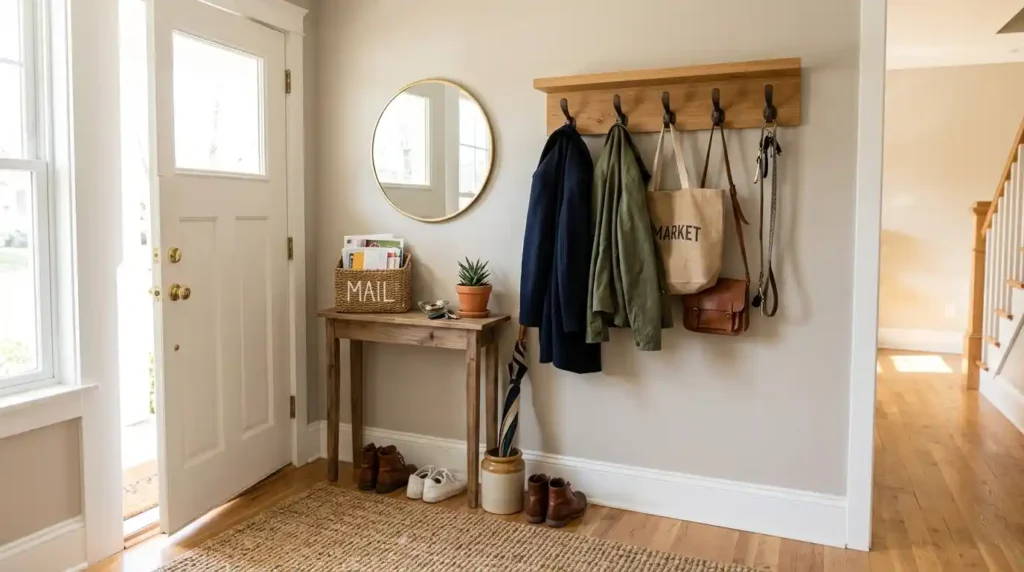
Each household has its own built-in dump zone. It is normally located on the countertop in the kitchen or at the dining table near the entrance door. Struggling against it is futile, while embracing it makes sense. Create a bar for hanging jackets and bags, set up a tray for keys and coins, and position a basket for new correspondence just where things are naturally dropped.
Assign a designated spot to every object once it enters the premises. This simple strategy prevents clutter from invading the rest of your home.
The Virtue of Vertical Storage Space
When horizontal space is at a premium, think upwards. Most homeowners waste a great deal of vertical space. Floating shelves placed high above in the room can store books, decorative baskets, and plants without using any extra floor space. High cabinets in the kitchen offer plenty of permanent storage space for appliances that don’t need to be used frequently. Tall bookcases in the living room serve as eye-catching decor, giving the illusion of high ceilings.
Combine this with the simple strategy of one item out for every item coming into your house, meaning that an old object is donated, sold, or disposed of, and you will stop the gradual build-up that necessitates extensive cleaning sessions.
Getting As Much Light As Possible
There is nothing wrong with artificial light, but there is nothing quite like sunlight. Take the heavy drapes out of the equation and replace them with curtains that will provide privacy without hindering sunlight entering the room.
The placing of mirrors can be helpful too. Get yourself a nice big mirror and place it opposite a window – you will find that the light bouncing back into the room gives you an effective light source twice the strength. Cleaning up the windows is always a good idea too; we underestimate just how much dirt keeps sunlight out.
Monthly and Quarterly Maintenance Checks
It’s hard to find anything more costly than maintenance that should’ve been done ahead of time. Ignoring an issue until it causes a system or part to malfunction is a surefire way of emptying your bank account.
Monthly, check the plumbing underneath your sinks for any leak or signs of moisture. Early repair costs next to nothing, while letting it continue for half a year results in warped cabinets and ruined floors. Test the GFCI outlets found in your kitchen and bathrooms they have little switches and make sure that they’re working to prevent electric shock.
Replace your HVAC filter every quarter. A dirty one will cause your system to work harder, which will lead to higher bills and a shorter lifespan of the entire unit. It’s also important to check whether your smoke detectors and carbon monoxide detectors are working. Takes only ten minutes. Can save a life.
Tasks During the Seasons that Deserve to be Completed Every Year
During fall, you should clean your gutters since water will go into the house if the gutters are clogged, causing serious structural damage. A close friend of mine failed to check his gutters for two years, and he was later charged $4,000 for repairs resulting from water damage. The cost of maintaining something is almost negligible compared to the cost of fixing problems.
During spring, check your roof for any damaged or missing shingles due to winter storms. Also, arrange an inspection of the AC unit in preparation for summer heat. Insulating water pipes and testing heating during winter are other maintenance tasks you must undertake.
Repairing a Leaky Faucet and Repairs to Drywall Damage
Among the most frequent home repairs performed by do-it-yourselfers, two stand out as being both simple and efficient. The leaking faucet will result in huge amounts of water loss in the long term; however, the problem often lies in a damaged washer or O-ring. All you have to do is shut down the water supply at the source, detach the handle, insert a new rubber piece, and the job can be done in ten minutes for less than five bucks.
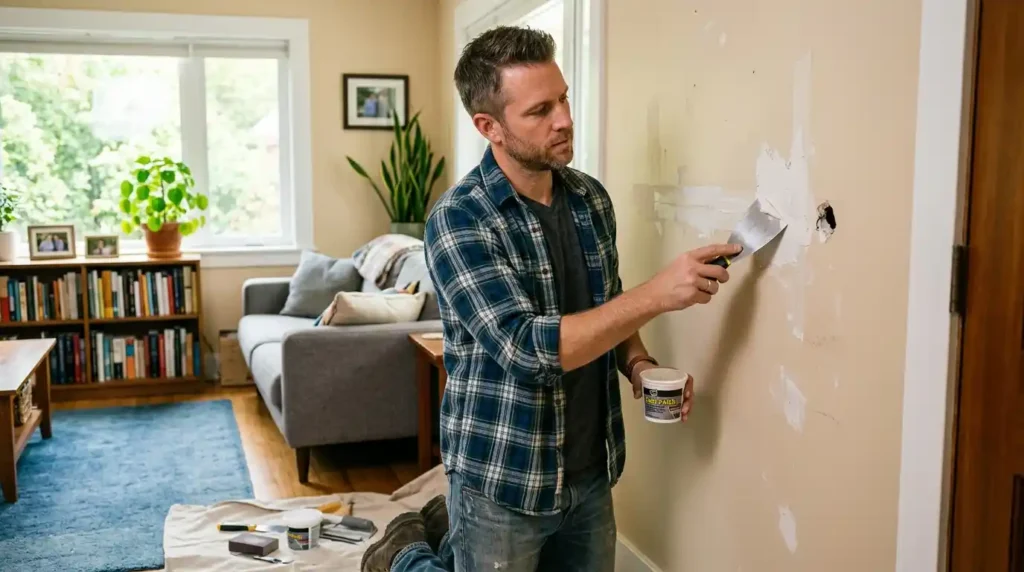
Drywall repairs are another example of easy work that anyone can perform. Clean the surface, cover it in spackling paste using a putty knife, wait until it dries up fully, sand it until even, apply primer, and paint. The damage is gone forever.
Smart Home Upgrades That Actually Earn Their Keep
There are gadgets within the market of smart homes that simply aren’t worth purchasing. Yet, there are two that consistently give you value for money.
Smart Thermostat
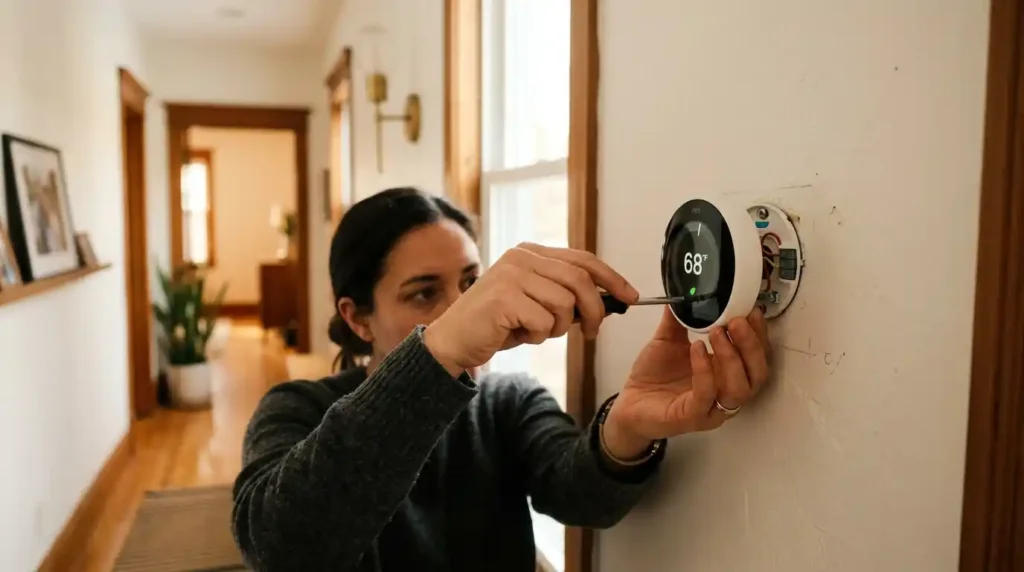
First of all, a smart thermostat will learn your routine, understand when you are out of town, and control the temperature accordingly. It takes no more than an hour to install the device on your own, and after that, the money spent on the purchase will be returned in no more than a year, since this smart technology helps save up to 10 or 15 percent every year through controlling the HVAC unit which otherwise would have been working in an unoccupied house.
Smart Water Leak Detector
Then comes another useful device – smart water leak detector that you install under sinks, close to the washing machine, and near your water heater. Once there is a burst of a pipe or a breakage of a hose while you are busy at work, you receive a message on your smartphone and turn off the main water valve before thousands of dollars in damages are incurred.
Energy Savings Without a Renovation Budget
Replacing any incandescent light bulbs with LEDs will save you money in the long run. LED lights can consume 75% less electricity and last up to 15,000 hours. Compared to the 1,000 hours of traditional bulbs, the purchase price is offset by energy saving in just a couple of months.
Drafts near windows and doors can be sealed using either caulk or weather-stripping material. For caulking, hold a caulk gun at an angle of 45 degrees, draw a straight line and then smooth the sealant with a moist finger after a full drying process lasting 24 hours. Leaking windows account for the extra costs of 25% on heating in cold periods. Hence, such a $10 fix should be considered essential.
Adjust the water heater temperature setting from its default value of 140°F to 120°F. It is more than enough for regular use and does not contribute to the risk of scalding yourself while showering. If you have ceiling fans, set them for anti-clockwise operation in summer to create downdrafts of cool air. In winter, reverse the direction to force cool air upwards and allow warm air trapped in the ceiling cavity back to the living space.
Decoration Ideas with Practicality at its Core
Practical design ideas always trump any trend. Choose colors that complement the lighting and the dimensions of your room. Choosing neutral colors will ensure a timeless look while making your rooms seem larger. Before purchasing any furniture, make sure you measure your room first.
Multifunctional furniture will transform your smaller home. Built-in storage space, collapsible furniture, and floating shelving will allow you to use up the space efficiently without compromising style. Lighten up your space with mirrors and soften it with texture via your rugs, pillows, and blankets. You can have a space that is as practical as it is aesthetically pleasing.
Understanding When to Stop and Contact Professionals
DIY can be exciting, but it helps to know where the boundaries lie between what you can do yourself and where you need help from professionals. If you have an electrical rewire job, structural changes that include working on load-bearing walls, a new roof, gas lines, and anything having to do with the foundation of your home, call in professionals. Since labor accounts for about 60 percent of all professional estimates, it’s obvious that DIY is less expensive when the project calls for it. However, messing around with a gas line is a very bad idea since it might lead to dire consequences.
Consistency Is Key
All the tips mentioned above don’t depend upon great DIY skills or deep pockets filled with money for home renovations. Instead, it depends on persistence. Begin with small things: close one gap, change one light bulb, establish a place for your shoes near the entrance. Every little step counts, and after some time, you’ll see how you spend less time on cleaning and fixing things, as well as on repairing things unexpectedly.
That is what makes drhomey handy tips all about not perfection, but having a house that helps you live rather than drain you everyday.
Conclusion
A clean home isn’t just good fortune; rather, it’s the result of little efforts made in advance before the situation becomes a costly one. No matter whether you are patching a leak, changing your light bulbs, creating a drop spot, or fixing that leaky faucet once and for all, each little thing makes a difference. That is the way drhomey tips work; they are founded on actual people’s life, not the way homes should look like in pictures. Take one step at a time and make your house a haven again.
FAQs
DrHomey handy tips focus on simple home improvement, maintenance, and organization steps that help homeowners prevent bigger problems. These include managing clutter, checking important systems, improving energy efficiency, and handling small repairs before they become expensive.
The 60-30-10 color scheme creates a balanced room by using 60% as the main color, 30% as a secondary shade, and 10% as an accent color. This approach makes choosing colors easier and helps prevent spaces from looking too chaotic or plain.
Regular maintenance includes checking plumbing under sinks, testing GFCI outlets, replacing HVAC filters, and inspecting safety devices like smoke and carbon monoxide detectors. Small routine checks can help avoid costly repairs caused by neglected problems.

7 thoughts on “DrHomey Handy Tips by Dr Homey: The Complete Home Maintenance Guide”