
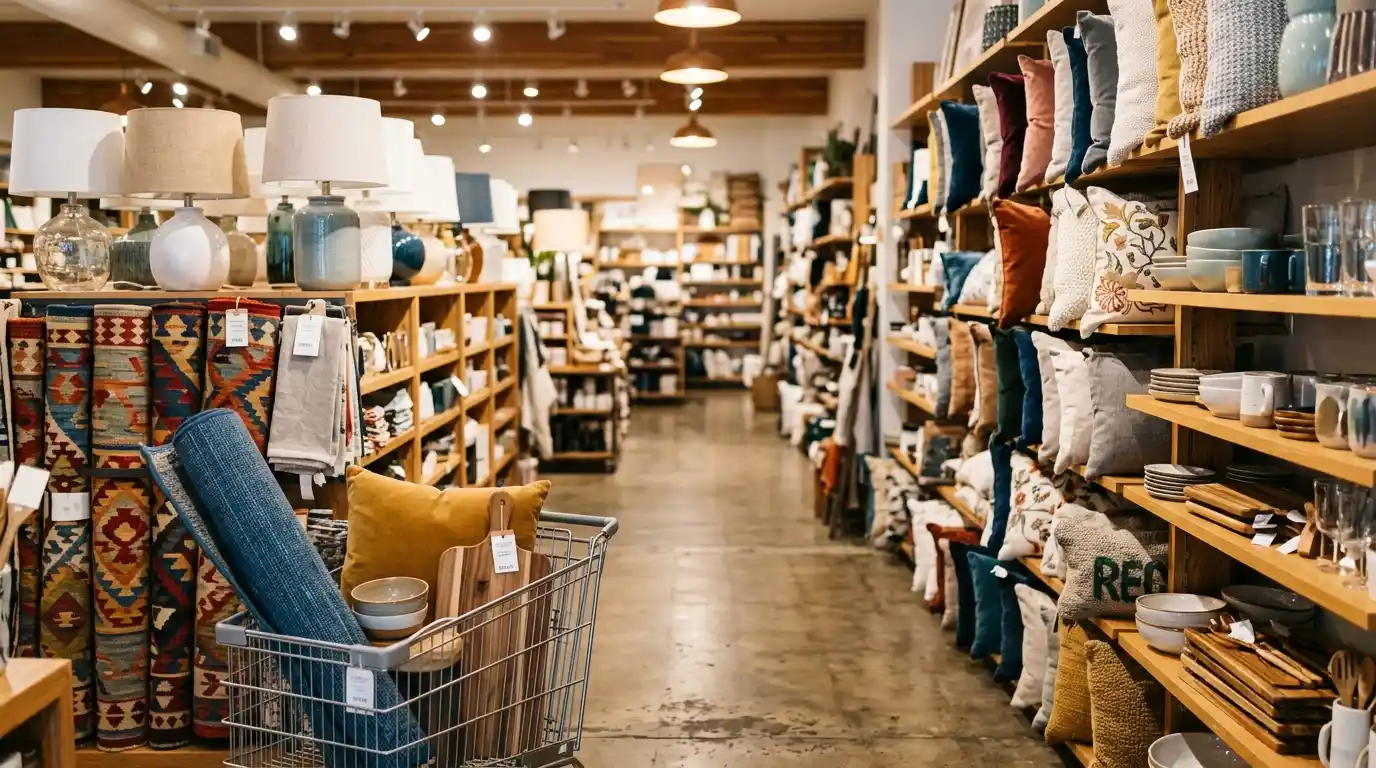
Searching “home goods near me” gets you a map full of pins. Doesn’t necessarily get you the answer you actually need, though which location has decent stock today, what time it closes, whether it’s even the right kind of store for what you’re after. This guide walks through how to use store locators well, what actually separates HomeGoods from similar off-price home retailers, and the specific checks worth running before you drive out, since inventory and hours shift more than most people expect at this type of store.
By the end you’ll know how to search smarter, not just click the nearest pin and hope.
Why “Near Me” Searches Don’t Always Get You the Best Store
A basic “home goods near me” search prioritizes distance. Not necessarily the store that actually has what you’re looking for, which is a genuinely different thing. Off-price home retailers like HomeGoods restock constantly with unpredictable, ever-changing inventory, which means the closest location and the best-stocked location for your specific need aren’t always the same place at all.
This matters more for home goods shopping than for most other retail categories, honestly, since these stores intentionally don’t carry consistent, repeatable inventory the way a standard furniture chain does. A location ten minutes further away might’ve just gotten a truck of exactly the category you’re hunting for rugs, seasonal decor, kitchenware while your closest store sits between restocks, half-empty in that section. Checking recent customer reviews or photos for a specific location before driving out can give you a rough sense of current stock variety, even though it won’t guarantee any specific item’s still there when you arrive.
Is HomeGoods actually the same company as Homesense, or just similar-sounding? Same company both owned by TJX Companies, the same parent behind T.J. Maxx and Marshalls, running a similar off-price model with constantly rotating inventory sourced from overstock, closeouts, and canceled orders. Homesense operates as a related banner in some markets, generally with a similar treasure-hunt shopping experience, though exact availability and selection vary a lot by region.
Getting Accurate Hours and Directions Before You Go
Store hours for off-price retailers can vary by location and shift seasonally, which makes checking directly before a trip worth the extra minute it costs you. Relying on an outdated hours listing is one of the more common reasons people show up to a closed store during a “near me” search happens constantly, honestly.
Apple Maps, Google Maps, and the retailer’s own official store locator are generally your most reliable sources for current hours, since third-party directory sites sometimes lag behind actual changes at a specific location by weeks or longer. If you’re planning a trip around a specific closing time, calling ahead is worth doing for anything genuinely time-sensitive, since posted online hours occasionally differ from a location’s real current schedule during holidays or renovations nobody updated the listing for. Confirming ahead also lets you ask about specific categories you’re hunting for, since staff at a physical store can sometimes give you a better real-time read than any online listing ever could.
What’s actually the best way to check current store hours, then? Check the store’s listing directly through Google Maps, Apple Maps, or the retailer’s own official website rather than a third-party directory, since official sources tend to reflect real-time changes faster than aggregator sites do. Calling ahead is worth it specifically around holidays, since off-price retailers often run altered hours that don’t always update promptly across every online listing out there.
What to Actually Expect When You Get There
Off-price home goods stores operate differently from a standard furniture or home decor chain, and knowing that going in changes how you should approach the whole trip. The entire appeal, and honestly the entire challenge, comes from the exact same source: inventory that changes constantly and just isn’t reliably repeatable.
Expect a genuinely wide range of categories under one roof kitchenware, bedding, rugs, lighting, wall decor, seasonal items, all of it but don’t expect to find the exact same product on a return visit, since these retailers specifically source overstock, canceled orders, and closeout merchandise rather than manufacturing to a consistent catalog. Pricing typically runs meaningfully below standard department or specialty-store retail, often by a real margin, which is the core trade-off for the unpredictable selection you’re accepting. If you’re shopping for something specific rather than browsing generally, treat a trip as a “check and see” rather than a guaranteed find, and have a backup plan ready if the particular item you want just isn’t there that day.
Why does HomeGoods have different items at every single location, even ones nearby? Off-price retailers like HomeGoods source inventory from overstock, closeouts, and canceled manufacturer orders rather than a standardized product catalog, which means individual store inventory varies significantly by location and by week. This sourcing model is exactly what enables the discounted pricing these stores are known for. It also means you genuinely can’t count on one specific item being available at every location, or any location, really.
Comparing Nearby Locations Before You Commit to One
When multiple locations show up in a “near me” search, a few quick comparisons help you pick the right one rather than just the closest one. This matters more the further you’re willing to drive, since a slightly longer trip to a larger or recently restocked location can genuinely be worth it depending on what you’re actually after.
Store size varies meaningfully between locations, with larger-format stores generally carrying a broader selection across more categories than smaller neighborhood ones. Recent review activity and photos, when available, can hint at current stock variety and how recently a location got restocked, even though it’s not a perfectly reliable signal by any means. If you’re choosing between two similarly distanced stores, checking whether one recently added delivery or curbside pickup can also factor into the decision, particularly for larger or bulkier home items you’d rather not haul out yourself.
Should you actually drive further for a larger home goods store, or is that overkill? Depends on what you’re shopping for larger-format stores generally carry a broader selection, which is worth the extra distance if you’re hunting for something specific or want more variety in one trip. For a quick, general browse or a small specific item, the closest location’s usually just as good, since inventory unpredictability affects every location regardless of size anyway.
Making the Most of a Home Goods Shopping Trip
A little planning turns an off-price home goods trip from a scattered browse into a genuinely efficient shopping session, especially if you’re working from a specific list rather than just browsing for inspiration and seeing what sticks.
Go in with a rough idea of the categories you actually need, since these stores reward focused browsing over aimless wandering given how much inventory typically fills the floor at once. Measure your space before you go if you’re shopping for furniture, rugs, or larger decor items, since off-price retailers generally have limited or no returns flexibility compared to standard furniture stores, and a rug that’s the wrong size is a much bigger hassle to return than some small decorative item you grabbed on a whim. Checking a store’s return policy specifically for larger purchases before you buy is worth the extra minute it takes, since policies can differ meaningfully from what you’d expect at a standard full-price retailer.
Conclusion
A smart home goods near me search goes beyond clicking the nearest map pin checking current hours directly, understanding how off-price inventory actually works, and comparing store size or recent stock activity all genuinely improve your odds of a worthwhile trip instead of a wasted one. Since inventory changes constantly at stores like HomeGoods and Homesense, treat any specific visit as a chance to discover what’s currently there rather than a guaranteed find, and always confirm hours through an official source before you go. A little prep turns a potentially wasted trip into a genuinely good one, and it barely costs you any extra time.
FAQs
Search “HomeGoods near me” on Google Maps or Apple Maps, or use the retailer’s own official store locator tool for the most accurate, current results. Third-party directory sites can sometimes show outdated hours or even closed locations, so an official source is generally more reliable.
No HomeGoods and similar off-price retailers source inventory from overstock, closeouts, and canceled orders rather than a standardized, repeatable catalog, so specific items typically won’t be restocked once they sell out. This is exactly what enables the lower pricing these stores are known for, but it also means you can’t count on finding the same item on a return visit.
It’s worth trying, though staff availability to check specific inventory can vary by location and how busy the store is at that moment. Calling is most useful for confirming current hours or asking about a general category, rather than expecting a guaranteed answer about one exact item being in stock.
Return policies vary by retailer and sometimes by item type, so it’s worth checking the specific store’s posted policy before making a larger purchase like furniture or a rug. Off-price retailers generally have less return flexibility than standard full-price furniture stores, which makes measuring your space carefully before buying larger items especially important.