
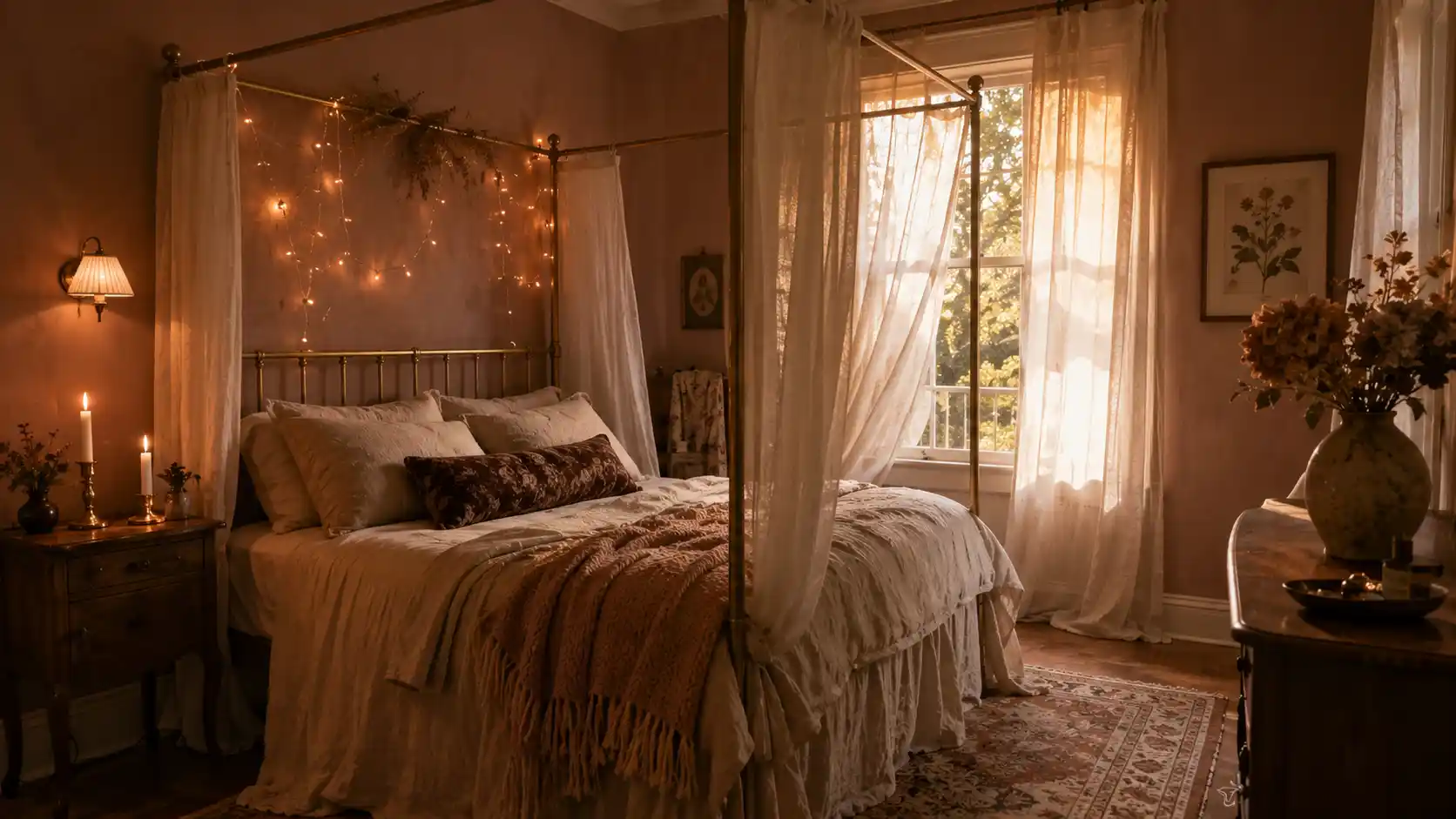
Lover House
My grandparents had a house that nobody could quite describe accurately. Not beautiful exactly the proportions were slightly off, the kitchen was too small, the hallway had no natural light. But it felt like the most settled, warm, deeply comfortable place most people who visited had ever been in. Forty-three years of marriage had done something to the physical space that decoration alone couldn’t replicate. The flowers on the dining table were real.
The blankets were soft from actual use. The chairs were positioned so two people could talk to each other without raising their voices. That’s a lover house. Not a romantic set from a film. A home that carries evidence in its materials, its proportions, its light that the people inside it genuinely wanted to be there together.
The concept of a lover house is older than the phrase. The Romantic Style architecture that defined American residential design from 1820 to 1880 was explicitly built around emotional response homes that were meant to feel something, not just function.
Greek Revival style was dominant from 1830 to 1850, followed by Gothic Revival with its steep gables, pointed arches, and arched entryways; then Italianate, pulling from Mediterranean floor plans with terra cotta tiles, natural wood floors, and balconies with wrought iron detailing. Those houses weren’t built for efficiency. They were built for people who wanted to feel connected to something larger than daily routine. A lover house, in that original sense, is any home where the design itself communicates warmth and intimacy before a single piece of furniture is moved.
The Architecture of a Lover House — What the Building Itself Contributes
Curves, Texture, and the Structural Elements That Read as Romance
A lover house begins with what can’t easily be changed: the bones. Romantic Style architecture favored undulating curves and free-flowing lines over the angular rigidity of later modernist design no sharp edges, no cold uniformity. Wooden ceiling beams visible against a plastered ceiling. Bay windows that bring natural light into the body of the room rather than keeping it at the wall’s edge. Stained glass throwing colored light across floors at certain hours of day.
A front porch with a transom window above the door and a painted brick fireplace visible from the entry. A balcony even a small one that creates the possibility of two people standing together above the street, which Marta Colon and Juan Palencia of Isla Architects understood specifically when designing Lover’s House in Santa Maria, Mallorca. That project, published in Wallpaper magazine in 2022, drew on Spain’s architectural heritage and the Balearic island’s warm climate to create a textured, colourful retreat that immediately reads as a lover house in the most literal architectural sense.
Lover house architecture from the Gothic Revival and Italianate traditions adds elaborate gingerbread trim, adobe walls, steep gables, and stained glass as the detail layer that makes a structure feel handcrafted and particular rather than produced. Thomas Jefferson influenced the earlier Classical Revival direction; Alexander Jackson Davis took Gothic Revival further with Lyndhurst in New York, a mansion that demonstrates exactly what a lover house at architectural scale looks and feels like the organic beauty of original structure allowed to age with grace rather than be updated into neutrality.
Floor Plans That Help Two People Actually Live Together
A lover house isn’t just emotional it’s practical in a specific way. Psychiatrist William Nagler, writing in The Dirty Half Dozen, found the single most predictive factor in relationship longevity was the ability to feel relaxed together. Floor plans for romance, as house plan designers note, need to support both togetherness and independence. His-and-hers features separate reading nooks, distinct bathroom spaces, a luxurious kitchen that accommodates two cooks rather than one create the balance independence and connection that allows a home to feel like a genuine retreat rather than a space two people happen to share. Connected and independent spaces sitting within the same floor plan is a design principle that the best lover house architecture consistently achieves.
Color, Light, and the Palette That Makes a Lover House Feel Like Itself After Dark
The Color Psychology Behind Romantic Home Palettes
Color psychology in a lover house is specific. Interior designer Zoe Feldman, writing for Homes and Gardens in 2026, describes the key quality as undertones that hold space: colors that feel luminous in the morning and quietly seductive at night. Red-based neutrals, softened terracotta, muddy blush these are tones that shift with the light, deepen at dusk, and never demand attention.
They create a sense of ease. Romantic color palette logic in this register isn’t about dusty pink or lavender as obvious choices. It’s about warm undertones in every surface, whether the dominant color is soft nudes and pastels, or cream and warm white, or even the deeper moves deep navy, plum, mauve that TheCoolist’s 2026 romantic bedroom coverage identifies as the “push-and-pull between bold and romantic” that keeps a space feeling dramatic but still intimate.
For a full lover house color approach: warm neutrals as the base taupe, dusty blush, ochre, warm sage with blush tones and antique rose carried into soft furnishings, and one or two deeper jewel tones used in upholstery or a feature wall for the moody contrast that prevents the palette from reading as overly sweet. Sponge painted walls in a soft blush pink or moody jewel color add texture and tonal blending that flat paint can’t replicate. The color that lingers in memory is rarely the one that announces itself loudest.
Lighting — the Element That Determines Whether a Lover House Feels Like One After Dark
This is the decision most lover house projects underinvest in, and it’s the one that matters most after 7pm. Layered lighting romantic in structure means ambient candlelight from a candle grouping of taper candles or pillar candles on a mantelpiece or dining table; a crackling fireplace if the architecture allows it or a wall sconce with a warm fireplace light quality; warm fairy lights or gold detail lighting above a headboard; brass wall sconce at the dressing table; and a warm lamp at the bedside calibrated to the 2700K warm bulb standard that Wisal’s 2026 couple bedroom guide specifically recommends for darker romantic palettes.
The sensuality of fire whether actual or approximated is the quality that taper candles, candlesticks, and a chandelier with warm-toned bulbs all try to replicate. LED strip warm behind a backlit headboard creates ambient candlelight quality at a practical scale. Mirrors reflecting candlelight double the visual warmth and depth of a space: place candles or lamps directly in front of mirrors for the infinite depth effect that makes even a small bedroom feel considerably more expansive and intimate simultaneously.
Textiles, Furniture, and the Sensory Layer That Defines a Lover House Day to Day
The Textile Decisions That Separate a Cozy Home From a Cold One
A lover house is felt before it’s seen. Washed linen named the first ever Etsy texture of the year is the 2026 material direction that suits a lover house better than almost anything else: soft, organic, slightly imperfect, the kind of fabric that becomes more itself with use. Silk sheets and faux fur throws at the bedroom level. Bouclé on a reading chair.
Soft pile rug and vintage rug underfoot. Chunky knit blanket draped at the foot of a four-poster bed or canopy bed. Layered linens in the pillow stack format: a 26×26 block print pillow at the back, a 24×24 in a complementary pattern in the middle, a lumbar pillow at the front three layers of textures, one deeply settled result. Romantic textile layering done properly means the room feels genuinely inhabited rather than arranged.
Romantic drapery billowing curtains in floor-to-ceiling panels, linen curtains and block print curtains in warm neutrals and cream, sheer curtains that diffuse natural light into the room without blocking it frames the windows in a way that makes the outside softer and the inside warmer. Soft furnishings layering across the sofa, the reading chair, the bed, the floor creates the cocooning effect that cozy romantic home design is built on.
Furniture That Feels Like a Lover House Choice Rather Than a Showroom One
Romantic furniture curves versus sharp-edged contemporary pieces: the difference is felt in a room even when it’s not consciously identified. A china hutch displaying meaningful objects. A demilune console table in the hallway. Wingback chairs in front of the fireplace. Claw-footed tub in the bathroom. Vintage dresser with a patina that comes from decades of use. Escritoire in the corner for letters or quiet thinking. Round footstools, oval mirrors, paired planters curved and organic forms throughout. These are the furniture decisions that give a lover house its character rather than its category.
A chaise lounge positioned near a window is both practically useful and symbolically correct for a lover house: it suggests a person who might linger, might read, might wait for someone to return. That quality of temporal openness space designed not just for efficient occupation but for the slower rhythms of two people is what a four-poster bed with a brass canopy bed frame communicates structurally before a single textile is added to it.
Accessories, Scent, and the Finishing Details That Complete a Lover House
Meaningful Objects Over Generic Decoration
A lover house built only from purchased items feels like a hotel rather than a home. The accessories that make the difference are the ones that carry specific meaning: family photos in a gallery wall couple display using vintage frames with hand-cut French mattes; couple mementos alongside antique botanical prints in hand-finished frames hung at the correct eye level of 57 to 60 inches; travel souvenirs placed deliberately rather than piled; heirloom pieces given space to be seen.
Feng shui romance principles converge here with plain common sense: feng shui mirrors positioned to reflect light, feng shui candles on dining and bedroom surfaces, feng shui flowers as fresh blooms or white roses in a ceramic vase these are accessories that serve both aesthetic and atmospheric functions simultaneously.
Fresh flowers on the dining table. Dried florals in an organic shaped vase on the mantelpiece. Terrariums by the window. Houseplants indoor plants that need actual attention and grow over time in every room that gets enough light. Biophilic design as a lover house principle: the more the home contains living, growing, scented things, the more it feels alive and worth inhabiting.
Decorilla’s 2026 romantic home guide puts it plainly: meaningful objects, displayed modestly, carry more emotional resonance than expensive objects displayed abundantly. A rattan ottoman with a coffee table book on top and a woven basket beside it creates a reading corner. A sentimental gallery wall with framed prints in thick vintage frames builds personal history into the room. These details are what make a house feel like the people inside it chose each other.
Conclusion
A lover house isn’t a specific style or a price point or an architectural category it’s an outcome. Greek Revival and Gothic Revival gave the concept its American structural vocabulary. Isla Architects gave it a contemporary Mallorcan form. Zoe Feldman gives it a color framework. The textile and lighting and furniture decisions in the pages above give it the practical sequence.
But what actually produces a lover house is the same thing that produced my grandparents’ imperfect, perfectly proportioned home: the daily accumulation of choices made by people who wanted the space between them to feel good. Every candle placed, every curtain chosen for weight rather than price, every chair angled so two people can actually see each other these are the decisions a lover house is built from, one at a time, over time.
FAQs
A lover house is a home designed to feel warm, intimate, personal, and comfortable for the people living in it. It is less about following one decorating style and more about using architecture, lighting, furniture, textures, and meaningful details to create emotional connection.
Romantic Style refers to architectural traditions such as Greek Revival, Gothic Revival, and Italianate, while a lover house is not limited to one historical style. A modern home can still feel like a lover house when its layout, materials, lighting, and personal details create warmth and intimacy.
Start with warm layered lighting, soft textiles, curved furniture, natural materials, fresh flowers, and objects that have personal meaning. Arrange furniture so people can comfortably talk, relax, read, or spend time together rather than designing every room mainly for appearance.

1 thought on “Lover House: 9 Surprisingly Honest Ways to Build a Home That Feels Like Love Lives There”